




Gum pain is easy to dismiss at first. Many patients assume soreness, bleeding, or tenderness will resolve with better brushing or a routine dental cleaning. While this may be the case in certain situations, gum pain can also be a sign of advanced periodontal disease, a progressive condition that affects the supporting structures of the teeth and can lead to tooth loss when left untreated. Similar to diabetes, periodontal disease is often a “silent” disease that is not necessarily painful until it has progressed to an advanced stage.
At Palm Beach Periodontics, patients throughout Palm Beach County receive careful evaluation, advanced diagnostic imaging, and clear guidance when gum pain points to a deeper concern. Understanding how periodontal disease develops and when specialized care is needed helps patients protect both oral health and overall well-being.
Why Gum Pain Should Never Be Ignored
In health, gums feel firm and appear pink in colour. Pain, swelling, bleeding, or increased redness along the gum line often signals gum inflammation, commonly caused by plaque buildup and poor oral hygiene. This sticky film of bacteria forms on tooth surfaces each day and hardens into dental plaque when not removed through proper oral hygiene and regular dental care.
As plaque buildup increases, the body triggers an inflammatory response. Over time, gum disease progresses silently, even when discomfort seems mild.This chronic inflammation affects gum tissue and eventually the bone that supports the teeth.
Common warning signs include:
- Red gums or swollen gums
- Bleeding during daily brushing or flossing
- Bad breath that persists despite good oral hygiene
- Sensitive teeth or tenderness between teeth or at the gum line
- Gum recession that makes teeth appear longer
These symptoms often mark the early stage of gum disease, also known as gingivitis. Without professional treatment, gingivitis can advance into more serious forms of periodontal disease.
How Periodontal Disease Progresses Over Time
Periodontal disease develops in stages, each affecting deeper layers of the supporting structures around the teeth.
Early Stage: Gingivitis
Gingivitis is a form of gum disease limited to inflammation of the gums. At this stage, there is no bone loss. Symptoms may include bleeding gums, mild swelling, and tenderness. With professional dental cleanings, improved oral hygiene, and guidance from a dental professional, gingivitis is completely reversible.
Moderate Disease: Periodontal Pockets Form
As gum disease progresses, gum tissue begins to pull away from the teeth. This creates periodontal pockets, small spaces between the gum and tooth root surface where bacteria thrive. These pockets allow infection to spread below the gum line, making daily brushing alone ineffective.
During this stage, patients may notice:
- Persistent gum pain
- Increased plaque buildup
- Early bone loss
- Signs of gum disease that return quickly after cleanings
Scaling and root planing, also known as deep cleanings, are often recommended to remove bacteria from below the gum line and smooth root surfaces.
Advanced Periodontitis: Damage to Bone and Supporting Structures
Advanced periodontitis and severe gum disease affect not only the gum tissue, but the underlying bone that holds teeth in place. As bone loss progresses, teeth may feel loose, and chewing becomes uncomfortable. This stage increases the risk of tooth loss and can compromise future replacement options.
Advanced periodontal disease has also been linked to systemic diseases, including heart disease, blood pressure concerns, rheumatoid arthritis, Alzheimer’s, and complications such as low birth weight. According to organizations like the American Dental Association and the American Academy of Periodontology, maintaining periodontal health supports overall health and immune system balance.
When Non-Surgical Treatment Is No Longer Enough
Non-surgical solutions such as scaling and root planing play an important role in managing many cases of periodontal disease, and in many other cases act as the first step toward re-establishing periodontal health. These treatments remove bacteria, plaque, and calculus from beneath the gum line and support the healing of inflamed gum tissue.
However, when periodontal pockets deepen and bone loss continues, non-surgical care may not be enough. At this point, specialized periodontal procedures are needed to control infection and preserve the remaining supporting structures.
Osseous Surgery: Treating Advanced Periodontal Disease
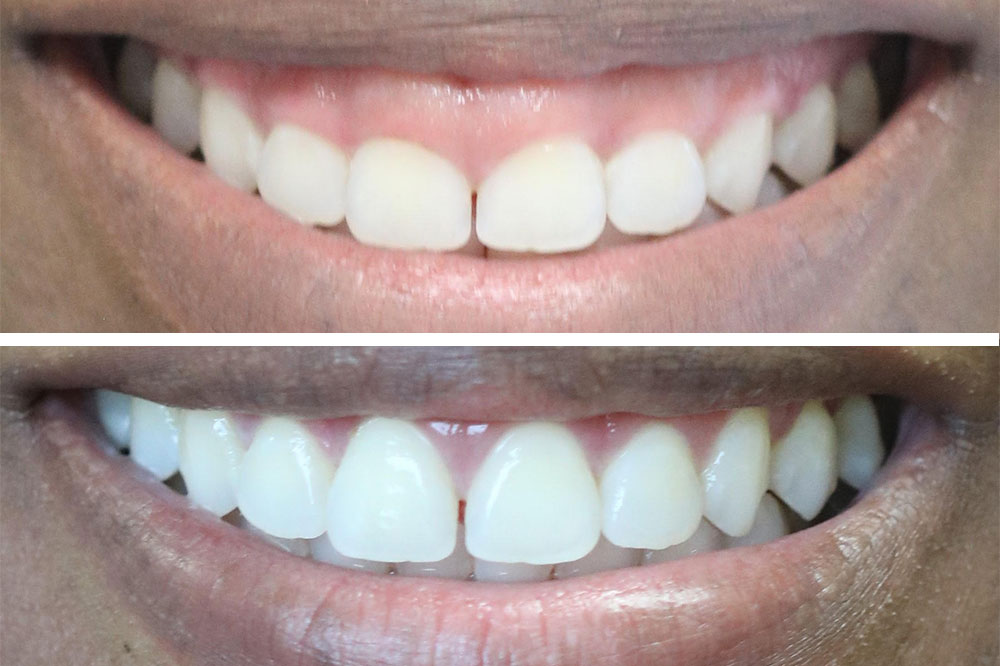
Osseous surgery is a periodontal disease treatment used when infection has spread deep into the bone and gum tissue. At Palm Beach Periodontics, this procedure is performed by experienced periodontists and focuses on restoring a healthier environment around the teeth.
Osseous surgery is an oral surgery that is performed under local anesthesia. During the procedure:
- Gum tissue is gently folded back to allow direct access to infected areas
- Harmful bacteria are removed from the tooth surfaces and gum tissue
- The bone and tooth roots are smoothed and reshaped to eliminate periodontal pockets
- Gum tissue is repositioned and secured to support healing
By eliminating deep gum pockets, osseous surgery helps reduce future plaque buildup and supports long-term gum health. Patients receive detailed pre-operative and post-operative instructions to guide proper oral hygiene and optimal conditions for healing.
This approach aligns with Palm Beach Periodontics’ philosophy of combining precise treatment, advanced technology, and patient comfort to achieve predictable, lasting results.
Supporting Healing With Modern Periodontal Care
Advanced dental technology plays a key role in diagnosing and treating periodontal disease. Digital X-rays, 3D cone beam CT imaging, and intraoral cameras allow the periodontal team to assess bone loss, gum tissue condition, and infection patterns with clarity and accuracy.
In select cases, guided tissue regeneration, bone graft procedures, or tissue regeneration techniques may be recommended to support healing and preserve natural teeth. These treatment options are carefully evaluated based on each patient’s oral health, risk factors, and long-term goals.
Periodontal maintenance visits remain essential after treatment. Patients diagnosed with periodontitis are prone to recurrence for life. Ongoing professional cleanings, monitoring of periodontal pockets, and reinforcement of proper oral hygiene habits help reduce the risk of recurrence and protect the results achieved through therapy.
Who Is at Higher Risk for Periodontal Disease?
Several factors increase the risk of periodontitis and advanced gum disease, including:
- Poor oral hygiene habits
- Tobacco use
- Uncontrolled diabetes
- Chronic periodontitis or previous gum disease
- Certain systemic diseases affecting the immune system
- Nutritional deficiencies, including low vitamin C
- Family history of periodontal disease
Patients with diabetes, cardiovascular conditions, or inflammatory health problems often require closer periodontal monitoring. A balanced diet, daily brushing, and professional dental care all support a healthy mouth and stable gum health.
When to See a Periodontal Specialist
Persistent gum pain, loose teeth, gum recession, or ongoing gum inflammation signal the need for specialized care. Seeing a periodontal specialist allows for early diagnosis, precise treatment planning, and access to procedures designed to protect both teeth and supporting bone.
Patients considering dental implants also benefit from periodontal evaluation. Healthy gums and stable bone are a requirement for successful implant placement and long-term outcomes.
A Thoughtful, Patient-Centered Approach to Gum Health
At Palm Beach Periodontics, every treatment plan reflects a commitment to education, transparency, and comfort. Patients are guided through each stage of periodontal disease, treatment options are explained clearly, and care is tailored to support comprehensive, long-term oral health.
If gum pain has become persistent or concerning, scheduling an evaluation allows the periodontal team to determine whether periodontal disease is present and which treatment options are most appropriate.
Request an appointment with Palm Beach Periodontics today to learn how specialized periodontal care can help protect your gums, your teeth, and your overall health.