


Peri-implantitis/Failing Implant
Treatment in West Palm Beach and Boynton Beach, Florida
Has someone told you your dental implant is failing? Or have you noticed bleeding, swelling, gum recession, bad breath, or discomfort around an implant? These changes should not be ignored. They may be signs of peri-implantitis, an inflammatory condition that can damage the gum tissue and surrounding bone that support a dental implant.
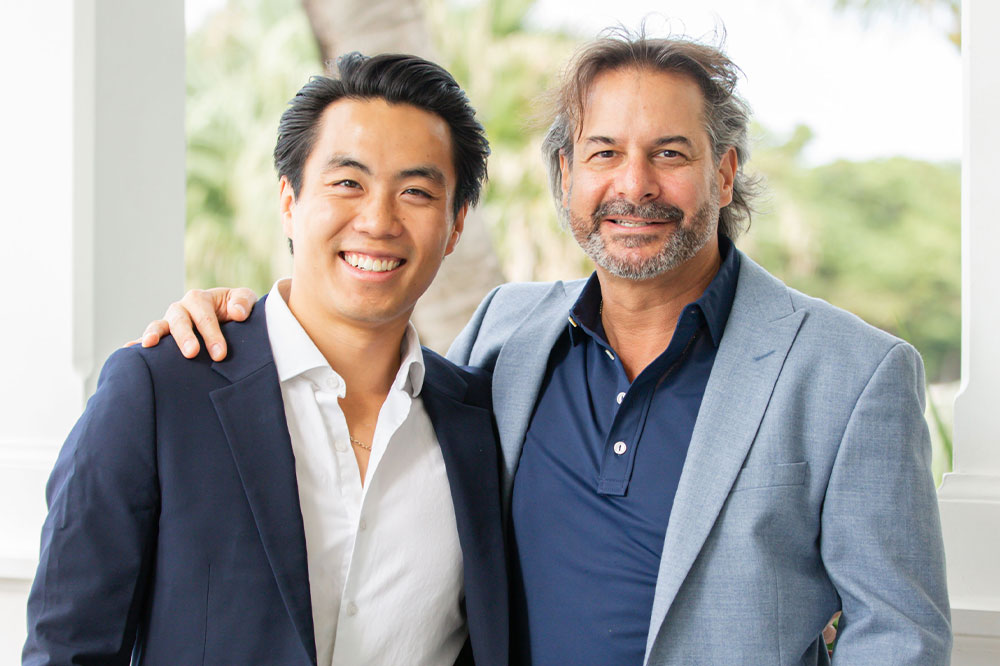
At Palm Beach Periodontics, Dr. Wong, DMD, MS, Board-Certified, Dr. Leyva, DMD, MS, and Dr. Gornstein, DDS, MS, are specialists in treating problems involving the gums, bone, and dental implants. Our team provides care for implant infection and implant failure at our offices in West Palm Beach and Boynton Beach, Florida, serving patients throughout Palm Beach County. A dental implant replaces a missing tooth and functions much like a natural tooth, but it still depends on healthy gums, bone, and good oral hygiene. Early diagnosis may provide more treatment options when problems develop.
Signs of a Failing Dental Implant in West Palm Beach and Boynton Beach
A failing dental implant does not always cause severe pain. Problems can begin with symptoms that are easy to overlook. If something around your implant looks, feels, or smells different, having it examined can help identify the cause.
Possible warning signs include:
- Bleeding around the implant when brushing or flossing
- Swollen or red gums near the implant site
- Gum recession that makes more of the implant visible
- Bad breath or a bad taste that does not go away
- Tenderness around the gum line
- Pus or drainage around the implant
- Implant mobility or a feeling that the implant is loose
- Changes in your bite when chewing
- Bone loss seen during a dental examination or on X-rays
Implant mobility is especially important to evaluate. A healthy implant should remain stable in the bone. Movement can have several causes, including problems with the restoration or loss of supporting bone. Our team can examine your implant to find the source of the problem.
What Is Peri-Implantitis?
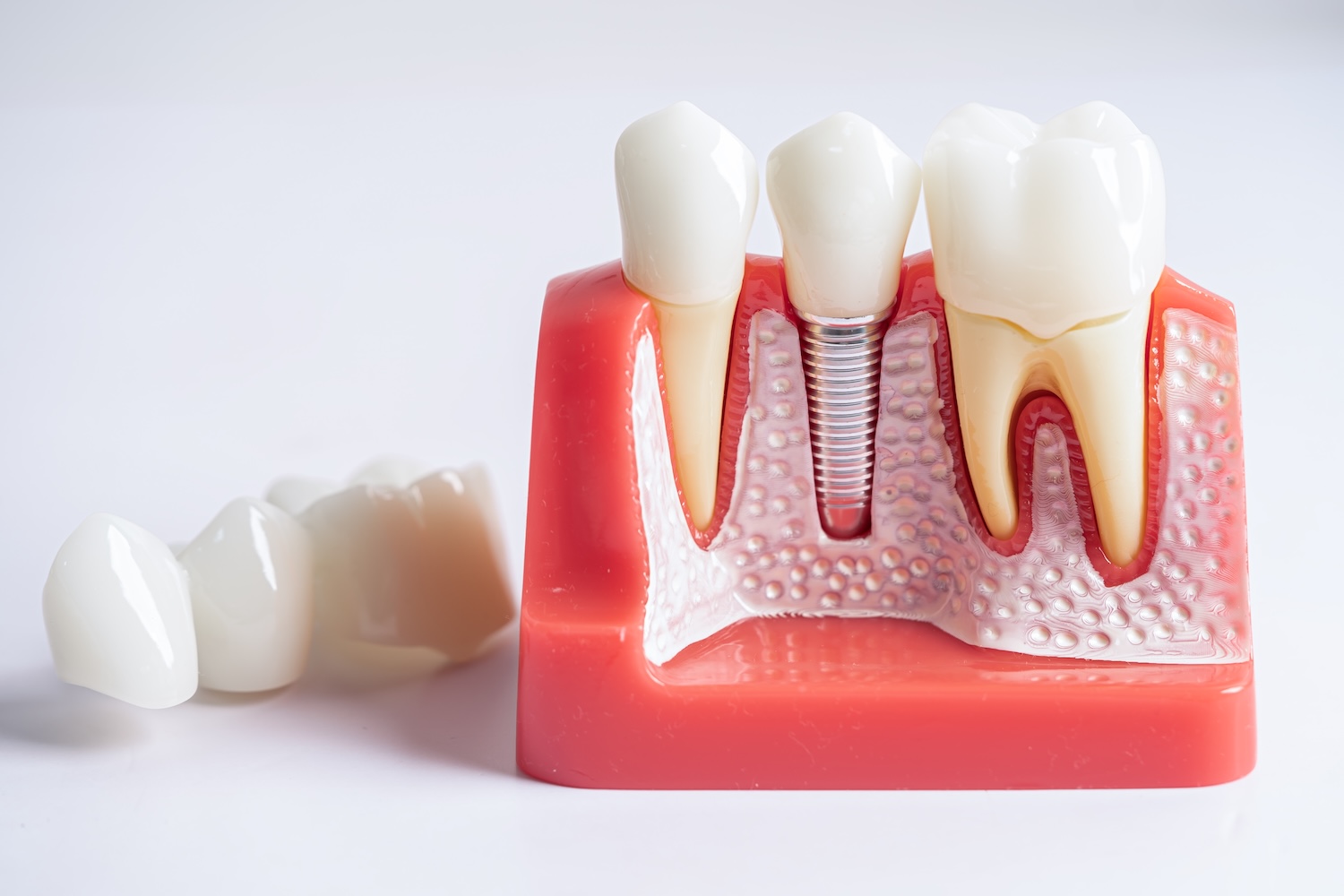
Peri-implantitis is an inflammatory disease involving the soft tissue and bone around a dental implant. A bacterial biofilm, often called dental plaque, can collect around the implant and cause soft-tissue inflammation. If the disease progresses, bone tissue supporting the implant may also be lost.
An early stage of inflammation limited mainly to the gum tissue is often called peri-implant mucositis. At this stage, you may have bleeding, redness, or soft tissue inflammation without the progressive bone loss associated with peri-implantitis.
Once bone loss develops, the condition becomes more serious. Progressive bone loss can reduce support around the implant surface and may eventually contribute to implant failure. Early intervention matters because treatment needs change as the disease progresses.
Periodontal disease affects the tissues that support natural teeth, while peri-implant disease affects tissues surrounding oral implants. Although they are not exactly the same condition, a history of gum disease can be one of several risk factors for problems around implants.
Why Does Bone Loss Develop Around Dental Implants?
Bone loss around a dental implant can have more than one cause. Plaque buildup and poor oral hygiene may allow harmful bacteria to remain around the implant surface. Over time, the immune system responds to these bacteria, creating inflammation that can affect the soft tissue and surrounding bone.
Other risk factors may include a history of gum disease, smoking, poor plaque control, certain medical conditions, and uncontrolled diabetes. Some systemic health conditions can affect healing or the body’s response to infection. Blood flow and immune system function may also influence how tissues heal.
Implant position, restoration shape, and access for daily cleaning can also matter. This is why peri-implantitis cannot always be blamed on poor oral hygiene. We will evaluate your implant and oral health to determine what may be contributing to the problem.
How Specialists Evaluate a Failing Implant
At Palm Beach Periodontics, the goal of an implant evaluation is to determine what is happening around the implant and whether the problem involves the restoration, gum tissue, bone, or a combination of factors.
Dr. Wong, Dr. Leyva, and Dr. Gornstein may examine the gums around the implant, check for bleeding, evaluate implant mobility, and measure pocket depth. Dental imaging can also show the level of the surrounding bone and help identify radiographic bone loss.
The examination helps determine the severity of the disease and whether significant bone loss is present. Our team can then discuss treatment options with you based on the condition of the implant site, your oral health, and other individual risk factors. Because every implant and every patient’s history is different, your treatment plan is built around your specific case rather than a one-size-fits-all protocol.
Treatment Options for Peri-Implantitis
Treatment for peri-implantitis is based on how far the condition has progressed. There is no single approach that is right for every patient. You may need nonsurgical care, while more advanced problems may require surgical treatment.
Mechanical debridement may be used to remove bacterial biofilm and deposits from areas around the implant. A thorough cleaning of the implant surface is often an important part of treatment. In some situations, antimicrobial products such as chlorhexidine gluconate or antibiotic therapy may be considered as part of a larger treatment plan.
When deeper areas cannot be treated effectively without direct access, surgical therapy may be recommended. Surgical procedures can allow the periodontist to reach the affected implant surface and surrounding tissues more directly. One approach is open flap debridement, which provides access for mechanical debridement and cleaning.
Depending on the pattern of bone loss, surgical intervention may involve regenerative treatment. Bone grafting and other bone regeneration techniques may be considered when there is a suitable bone defect around the implant. Other severe cases may call for resective surgery rather than regenerative surgical treatment.
If significant bone loss or another serious problem has made an implant difficult to maintain, implant removal may sometimes be discussed. Additional treatment will depend on the condition of the site and the patient’s needs. Treatment cannot guarantee that every failing implant can be saved.
Protecting Your Implant After Treatment
Good oral hygiene is one of the most important parts of caring for dental implants. Implants cannot develop cavities like natural teeth, but the gum tissue and bone around them can still develop inflammation and disease.
Daily brushing, cleaning between teeth and implants, and professional maintenance can reduce plaque buildup. Excellent oral hygiene at home should be paired with regular professional care. Our team can show you which cleaning tools work well around your specific implant.
Consistent oral hygiene is also important after treatment for peri-implantitis. If you have a history of gum disease or a previous implant infection, you may need closer monitoring. Regular examinations allow our team to check pocket depth, gum inflammation, soft tissue health, and bone levels.
Prevention is often the best defense against further damage. While not every implant problem can be prevented, good oral hygiene and ongoing professional care may help identify changes at an early stage.
Can a Failing Dental Implant Be Saved?
Sometimes. Whether a dental implant can remain in place depends on several factors, including the amount and pattern of bone loss, the condition of the implant surface, implant mobility, and the health of the surrounding soft tissue.
Early diagnosis can make a difference because there may be more treatment options before extensive tissue damage develops. In advanced cases, however, keeping an implant may not be predictable or appropriate. Removing the implant can sometimes be the healthier choice when there is severe infection or extensive loss of supporting bone.
If an implant must be removed, the area may need time to heal. Bone grafting or other bone regeneration procedures may be considered depending on the condition of the implant site and future restorative dentistry plans. Our team can explain which options may be appropriate for you.
Frequently Asked Questions
Can Peri-Implantitis Develop Years After I Get a Dental Implant?
Yes, peri-implantitis can develop months or years after your dental implant is placed. Changes in your oral hygiene, gum health, medical conditions, or plaque buildup may affect the tissues around your implant over time. Regular dental visits give your care team a chance to watch for inflammation, changes in pocket depth, and bone loss.
Does a Failing Dental Implant Always Need to Be Removed?
No, a failing dental implant does not always need to be removed. Your treatment depends on the amount of bone loss, the health of your gum tissue, whether your implant is stable, and other factors. Our team will evaluate your implant and discuss whether it may be treated or whether removal should be considered.
What Is the Difference Between Peri-Implant Mucositis and Peri-Implantitis?
Peri-implant mucositis causes inflammation in the soft tissue around your implant without the progressive bone loss seen with peri-implantitis, and you may notice bleeding, redness, or swelling. Peri-implantitis affects both the soft tissue and supporting bone. Identifying inflammation early may help your dental team address the problem before further damage occurs.
How Much Does Treatment for Peri-Implantitis Cost?
Treatment costs vary based on how far the condition has progressed and what type of care is needed, from nonsurgical cleaning to more involved surgical therapy. Our team can review your treatment plan and discuss cost and insurance questions with you during your evaluation.
Can I Get Another Dental Implant if My Current Implant Fails?
You may be able to receive another dental implant, but it depends on your individual situation. If your implant must be removed, our team will evaluate the remaining bone, gum tissue, and overall health of the implant site. You may need bone grafting or another procedure before we can consider a new implant.
Should I See a Periodontist if I Think My Dental Implant Is Failing?
Our periodontists specialize in the gums and bone that support your natural teeth and dental implants. If you have bleeding, swelling, gum recession, bone loss, or other changes around your implant, we can evaluate these supporting tissues. Our team can determine what may be causing your symptoms and discuss treatment options based on your needs.
Have You Been Told Your Dental Implant Is Failing?
You do not have to wait for a failing implant to become painful before having it checked. Bleeding, swelling, gum recession, persistent bad breath, tenderness, visible changes around an implant, or a loose feeling are reasons to schedule an evaluation.
Palm Beach Periodontics focuses on the gums and bone that support dental implants and natural teeth. Our specialists evaluate peri-implantitis, bone loss, implant infection, and other problems that can threaten an implant. We serve patients at our West Palm Beach and Boynton Beach, Florida locations, as well as the surrounding Palm Beach County community, and create treatment plans based on your symptoms, oral health, and clinical findings.
If someone has told you your implant is failing, or you are concerned about symptoms around an implant, contact Palm Beach Periodontics for a specialist evaluation. Call our Boynton Beach location at (561) 734-2001 or our West Palm Beach location at (561) 967-0476 to schedule a consultation and learn what treatment options may be appropriate for you.