



Total oral health depends on more than how teeth look or how well they function. Many serious oral health issues begin quietly, without pain or obvious symptoms. Subtle changes in the mouth can signal underlying disease long before discomfort appears. This is why routine evaluations and careful screening play such an important role in long-term dental and overall health.
At Palm Beach Periodontics, oral health evaluations are designed to do more than maintain clean teeth and healthy gums. They are an opportunity to identify early warning signs, understand risk factors, and take action before oral diseases progress. Oral pathology evaluations are a key part of this preventive approach, helping patients protect their health through early diagnosis and thoughtful care planning.
What Oral Pathology Means for Patient Health
Oral Pathology is a specialty of dentistry focused on the study, diagnosis, and management of diseases affecting the oral cavity and surrounding structures. This includes conditions involving the teeth, gums, jaw, bones, facial muscles, skin, and salivary glands.
Oral diseases can affect patients of any age and background. Some develop quickly, while others progress slowly over time. Without early detection, these conditions may impact oral function, appearance, comfort, and overall health. Routine oral pathology evaluations allow dental professionals to assess soft tissue, bone structure, and oral surfaces for abnormalities that may otherwise go unnoticed.
At Palm Beach Periodontics, oral pathology is viewed as a vital component of comprehensive care. The goal is always a healthy mouth, supported by early intervention and personalized treatment plans.
Why Early Detection Matters
Early detection allows dental professionals to identify oral conditions during their earliest stages, when treatment options are often simpler and outcomes more predictable. Changes in the oral cavity may reflect bacterial infections, viral infections, fungal infections, or abnormal cell growth. In some cases, these changes may be linked to broader health conditions that require medical treatment or interdisciplinary care.
Conditions such as oral cancer, salivary gland tumors, and periodontal disease may initially present with mild symptoms or none at all. White patches, soft tissue changes, persistent dry mouth, or unexplained irritation can serve as early indicators. Identifying these signs early helps reduce the risk of disease progression, tooth loss, and complications that affect quality of life.
Routine evaluations also support accurate diagnosis. When abnormalities are detected early, further testing such as imaging, microscopic examination, or oral biopsies can be performed in a timely and controlled manner.
Subtle Warning Signs Patients Should Never Ignore
Many oral health issues begin with changes that seem minor. These signs are often overlooked or dismissed as transient concerns. During oral pathology evaluations, dental professionals look for patterns and indicators that may point to underlying oral diseases.
Common early warning signs include:
- Persistent white patches or red areas in the mouth
- Sores that do not heal within two weeks
- Lumps, swelling, or thickened soft tissue, particularly if they seem to be growing in size
- Chronic dry mouth or changes in salivary gland function
- Gum disease symptoms such as bleeding, tenderness, or infection of the gums
- Changes in bite, jaw discomfort, or difficulty chewing
- Recurrent canker sores or oral thrush
These symptoms may be associated with various oral conditions, ranging from infections to more complex pathology. Identifying their cause early enables appropriate treatment and improves long-term outcomes.
The Role of Dental Professionals in Oral Pathology
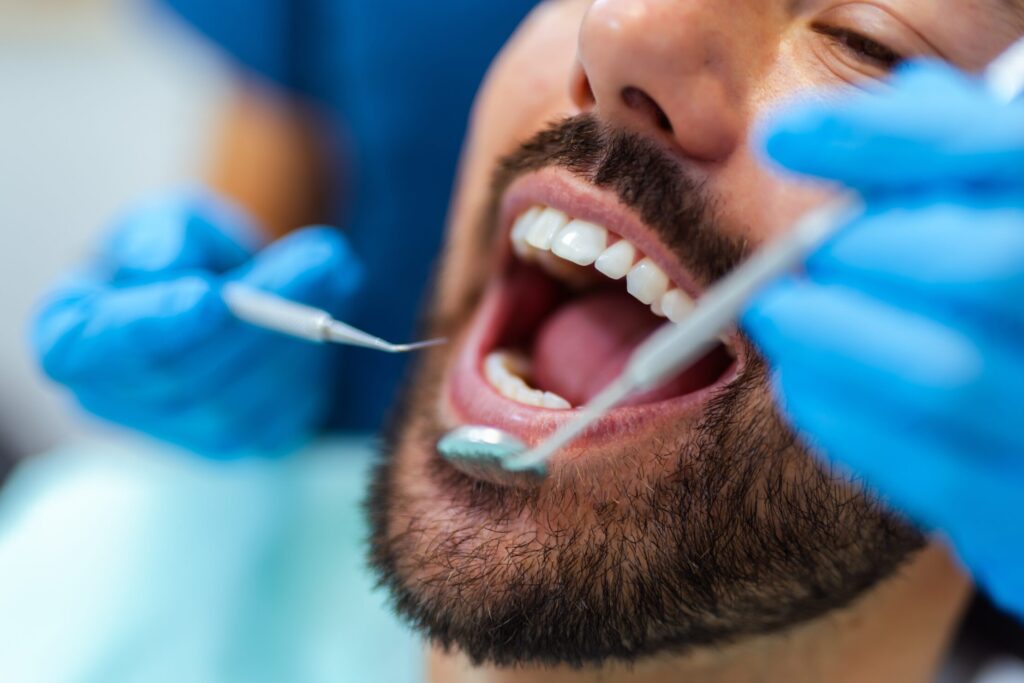
General dentists are often the first healthcare providers to detect signs of oral pathology during routine dental care visits. Their training enables them to identify oral health abnormalities and to refer patients for further evaluation when necessary.
Periodontal specialists and oral pathologists work collaboratively to manage complex cases. At Palm Beach Periodontics, evaluations may include 3D cone beam CT scans, digital X-rays, intraoral camera imaging, and advanced diagnostic tools that support early diagnosis and precise assessment of the patient.
When findings fall outside the scope of in-house care, the practice maintains a trusted referral network of oral pathologists, maxillofacial surgeons, and other healthcare providers. This collaborative approach ensures continuity of care while keeping the patient informed and supported throughout the diagnostic process.
Common Oral Conditions Identified Through Oral Pathology Screenings
Oral pathology screenings focus on identifying diseases and abnormalities that affect the mouth and surrounding structures. At Palm Beach Periodontics, these evaluations are part of a preventive approach to care, enabling the team to identify signs of oral disease early and guide patients to appropriate treatment.
Some of the most common oral pathology conditions identified during screenings include:
Oral cancer
Oral cancer refers to cancers affecting the mouth and lips. Palm Beach Periodontics includes oral cancer screenings as part of regular hygiene appointments, supporting early detection and timely care when abnormalities are present.
Oral thrush
Oral thrush is a fungal infection that can develop in patients with diabetes, those who wear dentures, or individuals with weakened immune systems. Early diagnosis helps support effective treatment and restoration of oral comfort.
Herpes simplex virus type 1 (HSV-1)
HSV-1 commonly appears as cold sores in or around the mouth. Identifying recurring patterns allows dental professionals to help patients manage symptoms and reduce irritation.
Periodontal disease and infection of the gums
Infections affecting the gums and supporting structures of the teeth are a common form of oral disease. Oral pathology evaluations help identify these conditions early, supporting periodontal maintenance and long-term oral health.
These conditions are often manageable when detected early. Regular visits allow the care team to monitor changes over time and address concerns before they progress, supporting both oral health and overall well-being.
Modern Technology and Diagnostic Precision
Advanced dental technology plays a vital role in oral pathology assessments. At Palm Beach Periodontics, digital imaging and 3D cone beam CT scans provide detailed views of bone, joints, and surrounding structures. These tools enhance diagnostic accuracy while reducing patient discomfort.
Laser surgery, digital impressions, and minimally invasive diagnostic techniques allow for precise evaluation of abnormal tissue. When biopsies or further analysis are needed, these technologies support targeted treatment of lesions and efficient care planning.
This technology-driven approach reflects the practice philosophy of combining modern tools with compassionate, patient-centered care.
How Oral Pathology Fits Into Comprehensive Care
Oral pathology evaluations are integrated into routine hygiene appointments and periodontal visits. These assessments support a broader understanding of each patient’s oral health and medical history.
Treatment plans are developed based on individual findings, risk factors, and long-term goals. Some conditions may be managed in-house, while others require collaboration with oral surgeons, oral pathologists, or medical providers. Throughout this process, communication and education remain central.
Patients are guided through each step with clarity and transparency, allowing informed decisions about treatment of diseases and ongoing care.
Prevention, Lifestyle Factors, and Long-Term Health
Preventive care extends beyond the dental chair. Good oral hygiene, a balanced diet, and healthy lifestyle choices all support oral health. Risk factors such as tobacco use and excessive alcohol consumption increase the likelihood of oral diseases and oral cancer.
Regular dental visits allow dental professionals to monitor changes over time and provide guidance on maintaining healthy habits. Early intervention remains one of the most effective tools for protecting overall health and preserving quality of life.
When to Schedule an Oral Pathology Evaluation
Patients should consider scheduling an evaluation if they notice unusual symptoms, persistent discomfort, or changes in oral health. Regular hygiene appointments already include screenings for common oral conditions, making them an ideal opportunity for early detection.
Patients in Palm Beach County seeking oral pathology services can benefit from specialized care in both Boynton Beach and West Palm Beach, where comprehensive evaluations and coordinated care are available.
Supporting Long-Term Oral Health Through Early Action
Oral pathology evaluations serve a vital role in protecting oral and overall health. Through early diagnosis, advanced technology, and patient-focused care, hidden conditions can be identified and managed before they impact daily life.
At Palm Beach Periodontics, the focus remains on education, prevention, and individualized care. Patients are encouraged to schedule regular visits and discuss any concerns with the care team. Early attention leads to clearer answers, more effective treatment options, and greater peace of mind.
Schedule an appointment today to learn more about oral pathology evaluations and how early detection supports long-term oral health and wellness.